2018年12月28日星期五

Effects of Different Treatments on the Extraction Rate and Composition of Essential Oil of Bayberry Leaves

Abstract: The effects of fresh, dry-drying, microwave drying equipment, blast drying and vacuum freeze-drying on the yield and composition of the essential oils of Chinese bayberry leaves were compared and analyzed. The essential oil of Chinese bayberry leaves was extracted by steam distillation, and the components of the obtained essential oils were separated and identified by GC-MS.
The results showed that different treatment methods had a great influence on the yield and composition of essential oil of bayberry leaf. The yield of essential oil was fresh leaf < microwave drying < natural dry < blast drying < vacuum freeze drying. The essential oils obtained by the five treatment methods identified 33, 43, 42, 39, and 41 compounds, respectively, accounting for 96% of the total. 45%, 96. 1%, 97. 38%, 97. 28%, 68. 03%, both cis-4-cyclopentene-1,3-diol, α-rhedene, ( + ) - 4 -heptenol, transcaryophyllene, epoxidized hopene II, Dianthus Mainly based.

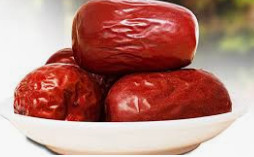
Effect of Cutting Treatment on Microwave Drying Characteristics of Huping Jujube

Absrtact: Taking Hupingzao jujube as test material, half and ¼ of the jujube seeds were separately cut, and the whole jujube seeds were treated by microwave drying equipment under different microwave power. The effects of different cutting treatments on the microwave drying characteristics of Hupingzao jujube were discussed.
The results showed that the microwave drying time was shortened, the rehydration ratio and sensory quality of the dried jujube were improved, but the Vc loss was increased to some extent. Considering comprehensively, the best drying effect was obtained when half-fruit was used as the shape of dried fruit under 160W microwave for 60 minutes.
Key words: microwave drying of jujube; segmentation; characteristics; quality
Jujube is one of the unique fruits in our country, which is very popular with consumers. However, because of the high water content of fresh jujube, it is easy to rot and deteriorate after harvest, which brings great economic losses to jujube farmers. Therefore, it is important to study the suitable storage, preservation and processing methods for jujube for promoting the healthy development of jujube industry.

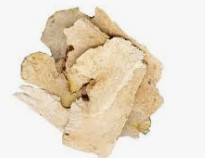
Effect of Painless Drying Method on the Quality of Poria cocos

ABSTRACT: Objective To compare the effects of hot air drying, infrared drying, microwave drying and low temperature adsorption drying on the quality of Polygonum umbellatum. The drying rates of the four drying methods were compared. The rehydration and appearance of the dried products were tested and evaluated, and the total yellow pour content in the dried products was determined by ultraviolet spectrophotometry.
Result Microwave drying equipment had the fastest speed, and the product had better rehydration, while low temperature adsorption drying had advantages in flavonoid content retention and appearance color.
Key words: microwave drying of tuckahoe cocos; flavonoids; hot air drying; infrared drying; microwave drying; low temperature adsorption drying; ultraviolet spectrophotometry
Poria cocos is the root of Ilex glabrata, a liliaceous plant. Its taste, light, flat nature, return to the liver and intercalated meridians are commonly used Chinese herbs for clearing away heat and detoxification. It has the functions of regulating diarrhea, strengthening spleen and stomach, strengthening muscles and bones, removing dampness, and promoting joints. It is clinically used to treat limb constriction, muscle and bone pain caused by dampness and heat, hypoderma, scabies, syphilis and mercury poisoning. Recent studies have shown that Tufa cocos has anti-cancer, anti-atherosclerosis and treatment of coronary heart disease and other pharmacological effects.

Application of Microwave Technology in the Processing of Needle-shaped Green Tea

Absrtact: Green-killing and drying are the key processes in the processing of needle-shaped green tea. The application of microwave technology to green-killing and drying of tea is conducive to improving its quality. In order to improve the quality of needle-shaped green tea, the effects of microwave, drum, steam-heat combination and steam-heat-microwave combination, microwave drying and traditional drying on the quality of needle-shaped green tea were studied.
The results showed that the combination of steam-heat and microwave was the best way to kill green tea, and microwave was more beneficial to improve the appearance, color and leaf bottom of needle-shaped green tea than the other three methods, which would damage its aroma and taste, but the combination of microwave and steam-heat could improve the sensory quality of needle-shaped green tea; caffeine, tea polyphenols, amino acids, vitamin C and leaves. The retention of main components such as chlorophyll was the highest in microwave-killed needle-shaped green tea.

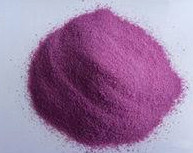
Process optimization of microwave drying of purple sweet potato powder

The composition of colour-protecting solution, colour-protecting time and the effects of microwave drying and hot air drying on purple sweet potato powder were discussed.
The optimum technological parameters are as follows: the color-protecting liquid is composed of 0.8% salt, 0.6% citric acid and 0.4% ascorbic acid. The color-protecting time is 6 minutes, and the microwave drying time is about 10 minutes. Microwave drying equipment can effectively retain the flavor and nutritional components of purple sweet potato, and improve the quality of purple sweet potato powder.
Key words: Purple sweet potato powder microwave drying; color protection; color difference value;
Purple sweet potato originated in southern Kyushu, Japan. It was introduced into China in 1990s and successfully planted. Purple sweet potato is rich in dietary fiber, minerals and vitamins, and has the health function of cancer prevention and anti-cancer. Purple sweet potato is rich in purple anthocyanin, which has special use and nutritional value.

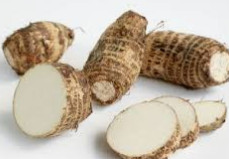
Application of Microwave Drying in Taro Chips Processing

Absrtact: Taro was used as raw material, microwave drying equipment and vacuum oil bath were used to study the effects of different processing parameters on water content, oil content and sensory quality of products, and a new processing technology of taro chips was established.
The results showed that taro chips with low oil content, smooth appearance and good crispness could be obtained by vacuum oil bath (initial oil temperature 110 C, termination oil temperature 98 C and vacuum degree 0.098 MPa) for 5 minutes, controlling moisture content of products between 30% and 35%, and then microwave drying (microwave power 1 200 W) for 60 minutes. The oil content of the products processed by this new process is low, and the energy saving is 23% compared with the traditional process. It is a feasible new processing technology for fruit and vegetable crisps.

Effect of drying process on the quality of low temperature sausage

Abstract: The low temperature sausage was prepared by using pork and fish paste as the main raw materials. The drying conditions were optimized. The effects of hot air drying time, microwave drying equipment and microwave time on the quality of low temperature sausage were discussed.
The results showed that with the prolongation of hot air drying time, the shape, color, taste and taste of the sausages increased, and the difference between internal and external moisture decreased. After microwave treatment, it helps to balance the internal and external moisture and improve the uniformity of color. Sensory quality, however, too long a time will cause poor taste of the meat, excessive hardness, and decreased chromaticity. The optimum drying process of the low temperature sausage is dried by a hot air drying oven at 55 ° C for 14 hours, and then dried by a microwave of 250 W for 90 s.