2018年12月28日星期五

Effects of Different Drying Methods on Quality Characteristics of Purple Potato

Absrtact: In order to improve the quality of dried purple potato products, the effects of hot air drying, microwave drying equipment, vacuum drying and solar assisted heat pump combined drying on the physical and chemical properties and structure of dried purple potato were studied.
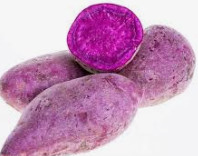
The results show that there are significant differences in energy consumption, color, functional ingredients, hardness and structure of products obtained by different drying methods. Microwave drying has the highest drying efficiency, but its color and structure are poor. Vacuum drying products have the highest retention rate of functional ingredients, but the lowest drying efficiency and the largest energy consumption. The products obtained by solar heat pump drying have the highest drying efficiency and energy consumption. The comprehensive performance of consumption, color and structure is the best, and the product quality is good.

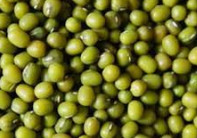
Development of Quick-ripening Mung Bean by Microwave Drying Technology

Absrtact: To determine the processing technology and parameters of quick-ripening mung bean by microwave drying equipment. By studying the conditions of soaking, steaming and drying of mung beans, the optimum technological parameters of ripening and drying of quick-ripening mung beans were determined.
The optimum technological parameters of quick-ripening mung bean are as follows: soaking temperature 50 C, soaking time 3 h, steaming time 20 min, microwave drying power P50 W, microwave drying time 13 min. The quick-ripening mung bean processed under this process has good rehydration and sensory state.
Key words: quick ripening; mung bean microwave drying; rehydration
Mung beans are the main cultivated beans of Asiatic cowpea subgenus. China has a long history of cultivation as a country of origin. Mung bean is rich in protein, carbohydrate, calcium, phosphorus, iron, thiamine, riboflavin, carotene and other nutrients.

Effects of different drying methods on physicochemical properties of egg yolk powder

Abstract: spray drying, vacuum freeze drying, hot air drying, infrared drying andmicrowave drying equipment were used to study the effects of different drying methods on the physicochemical properties of egg yolk powder. The moisture content, thermal stability, color, emulsifying property and powder structure of yolk powder prepared by different drying methods were determined.
The results showed that the moisture content of yolk powder was the lowest (2.5%), and the moisture content of yolk powder was the highest (3.9%). The difference between the two groups was significant (P<0.05). The moisture content of yolk powder from these 5 drying methods was less than 4%, which accords with the current standard of egg products. The color of yolk powder obtained from hot air drying is the worst (brightness is only 83.45). The egg yolk powder obtained by vacuum freeze-drying is the best emulsifying power, while the dried egg yolk powder has the worst emulsifying ability. The powder of egg yolk powder prepared by spray drying is spherical and uniform, and the egg yolk powder produced by the 4 drying methods is massive.

Effect of drying methods on aging characteristics of instant rice flour

Abstract: Rapid Visco Analyser (RVA), X-ray diffraction and FTIR were used to study the effects of different drying methods (freeze-drying, hot-air drying, microwave drying equipment) on the aging characteristics of instant rice flour.
The results showed that the absorbance ratio, crystallinity, gelatinization temperature and retrogradation value of instant rice flour obtained by hot air drying were the largest at infrared 1 047/1 022 cm-1, indicating that the aging degree of instant rice flour obtained by freeze-drying was the smallest, followed by microwave drying.
The rehydration rate and rehydration time of instant rice flour obtained by different drying methods were studied. The rehydration rate of freeze-drying was the best and that of hot-air drying was the worst. The rehydration performance of instant rice flour may be related to its aging degree in drying process.

Study on the effect of drying methods on fresh-keeping and quality of semi-dry noodles

Absrtact: Ultraviolet-microwave drying and electrothermal drying were used to dry fresh and wet noodles. The effects of microwave drying equipment on the microbial content and quality of semi-dry noodles were compared and analyzed.
The results showed that the electrothermal drying efficiency was low, and the sterilization effect was not obvious at the later stage of drying; the ultraviolet-microwave drying efficiency was high, and the bacterial content of noodles continued to decline at the later stage of drying. Both drying methods could significantly reduce the initial bacterial content of semi-dry noodles.
For electrothermal drying, the total number of bacteria in semi-dry noodles decreased significantly at 125 C, which had little effect on texture and cooking quality. For ultraviolet-microwave drying, the initial bacterial content of semi-dry noodles was significantly lower than that of electrothermal drying at different power levels. When the microwave power was 2 000 W, the quality of semi-dry noodles was better, which was the more suitable microwave drying power.

2018年12月27日星期四

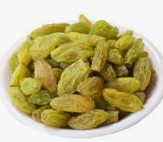
Effects of different drying methods on quality of Seedless white raisins

Abstract: [Objective] To study the effects of different drying methods on the quality of Seedless white raisins.
[Method] Fresh seedless white grapes were used as experimental materials. Six drying methods were adopted, including dry, air-drying, constant temperature air-drying, normal temperature air-drying, vacuum freeze-drying and microwave drying equipment. The drying speed, sensory index and sugar content, acid content and VC content of grapes were used as evaluation indexes to compare the effects of different drying methods.
[Result] The effects of different drying methods on the drying speed of Seedless white grapes were studied. The microwave drying time was the shortest, 3 days and the drying time was the longest, 13 days; the sugar content of vacuum freeze-dried raisins was the highest (78%) and that of sun-dried raisins was the lowest (72%); the total acid content of vacuum freeze-dried raisins was the lowest (1.62%) and that of sun-dried raisins was the highest (2.05%). The VC content of raisins was the highest (11.54 mg/100g) and that of raisins dried by sun was the lowest (7.9 mg/100g). The sensory indexes of vacuum freeze-drying and microwave drying were better.

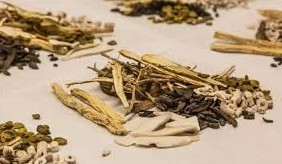
Application of Microwave Technology in Pharmaceutical Field

ABSTRACT: Starting from the definition and characteristics of microwave and its advantages in the production of traditional Chinese medicine extracts, the application of microwave-assisted extraction, microwave drying equipment and microwave sterilization technology in the field of medicine was studied, which promoted the pharmaceutical industry, especially the traditional Chinese medicine industry, to achieve the goals of energy saving, consumption reduction and environmental protection, and played a potential role in improving yield, quality and cost reduction.
Key words: microwave; extraction; drying; sterilization; energy saving; environmental protection; microwave drying of traditional Chinese medicine
Our country has a vast territory, spanning from tropical zone to cold temperate zone, with abundant plant resources. The Chinese culture accumulated over 5000 years and the vast medical books left by our ancestors are the unique conditions for the development of Chinese medicine. The role of traditional Chinese medicine in the prevention and treatment of common diseases, frequently-occurring diseases, chronic diseases, difficult diseases and major infectious diseases has been further highlighted, and has been widely recognized by the international community.