2019年1月1日星期二

Effects of different drying methods on quality control of reconstituted nutritionally fortified rice

ABSTRACT: On the basis of defining the optimum parameters of five drying processes, i.e. natural air drying, hot air drying, microwave drying equipment, electrothermal vacuum drying and freeze-drying, the effects of different drying processes on the quality of reconstituted nutrient-fortified rice were analyzed.
The results showed that the optimum technological conditions of electrothermal vacuum drying were vacuum 0.025 MPa, drying temperature 35 C and drying time 2.5 h. The cross-sectional compactness, palatability, cold rice texture and sensory evaluation were the best, and the comprehensive cooking quality and texture characteristics were the best.
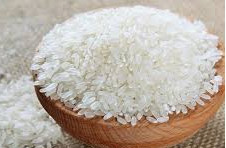
Among them, heating water absorption rate 280.45%, expansion rate 268.57%, soluble solids weight of rice soup 56.657 mg/g, elasticity of rice grain 0.873 mm, cohesiveness 0.549 gs, recovery value 0.192gs; microwave power 210W, drying time 50 minutes after cooking, the appearance structure of microwave-dried rice grain is the best, hardness 3650.873 G is the smallest; temperature-90 C, drying time 24 hours of freeze-drying technology, the gel adhesion of rice grain 2788.6. 54g, chewing degree 1819.708g was the largest.

Effect of Different Drying Methods on Quality of Toona sinensis Sprouts

Absrtact: The effects of four drying methods on the quality of Toona sinensis sprouts were studied by sensory evaluation and determination of main nutrient contents, including hot drying, microwave drying equipment, vacuum drying and vacuum freeze drying.

The results showed that vacuum freeze-drying could maintain the main nutritional components of Toona sinensis seedlings and sprouts to the greatest extent. After drying, the chlorophyll content in Toona sinensis sprouts reached 14.0081 mg g-1, the vitamin C content reached 2.6203 mg g-1, the amino acid nitrogen content reached 24.3340 mg g-1 and the protein content reached 24.3340 mg g-1. It reached 79.0076 ug, which was higher than other drying methods, and the sensory quality of dried Toona sinensis sprouts was better. The comprehensive effect of vacuum drying was slightly worse than that of vacuum freeze drying. Microwave drying consumed more vitamin C, and the comprehensive effect of microwave drying was worse than that of hot drying.

Optimization of Different Drying Methods for Zishen Capsule Thick Paste

ABSTRACT: OBJECTIVE To optimize the drying process of Zishen capsules and to provide basis for the determination of the production process of Zishen capsules. Methods the effects of hot air drying, vacuum drying, microwave drying and spray drying on the quality of dry extract were studied with the properties of extract, yield, hygroscopicity, pinocoside and paeoniflorin as indicators.
Results: in the dry extract of hot air vacuum drying, microwave drying equipment and spray drying, the contents of spironicin were 0.0140%, 0.0220% and 0.0135% respectively. The paeoniflorin was 0.0475%, 0.0681% and 0.0700% respectively. Conclusion the yield and hygroscopicity of microwave drying dry extract are better than that of spray drying. The amount of index components is higher than that of vacuum drying and spray drying, and the best drying method is determined by microwave drying.

Study on Preparation of High Quality Pure Chicken Powder by Microwave Drying

Absrtact: The technology of producing pure chicken powder by microwave drying was studied and analyzed. The optimum technological conditions for producing pure chicken meal were determined by single factor experiment and orthogonal experiment as follows: adding 0.6% bio-enzymes, extracting temperature 120 C, extracting time 2 h, feed-water ratio 1:1, homogenization 3 times.
The microwave drying equipment opens 36 microwave sources, the material thickness is controlled at 2-3 mm, and the feed speed is adjusted to 2 cm/s. The pure chicken flour chicken produced is pure in taste, mellow in taste, rich in head fragrance, high in protein content, low in water content, long in shelf life, and can adapt to the actual industrial production.

Effects of constant temperature drying on quality and biogenic amines of fermented mutton jerky

Absrtact: The pH, water activity, tenderness and color difference of dried mutton dried by three drying methods, i.e. constant temperature drying, frying and microwave drying, were determined. The types and contents of biogenic amines in dried mutton fermented by three drying methods were determined by high performance liquid chromatography in order to compare the quality changes and biogenic amines contents of dried mutton dried by three drying methods.
The results showed that the pH and water activity of fermented mutton dried at constant temperature were significantly lower than those of frying and microwave drying equipment (p < 0.05), the shear force and E value were significantly higher than those of frying and microwave drying group (p < 0.05), and the contents of various biogenic amines were lower than the limits. The results showed that the processed dried dried meat could give better color and hardness, prolong the shelf life of dried meat and improve its edible safety.

Research and Development Trend of Drying Equipment Technology for Chinese Medicinal Materials

Abstract: microwave drying equipment, vacuum freeze drying technology, low temperature adsorption drying technology, heat pump drying technology and spray drying technology are introduced. The combined drying technology can realize the high efficiency and energy saving of the drying process of the medicinal materials, which is the trend of drying area.
Key words: drying equipment; microwave drying of traditional Chinese medicine; vacuum drying
Drying is an indispensable link in the processing and production of Chinese medicinal materials. The drying process directly affects the quality of Chinese medicinal products. In the drying process, time and temperature are important parameters. The magnitude of their magnitude is closely related to the loss of effective components and the degree of inferiority. Therefore, the selection of drying equipment types and the setting of control conditions are particularly important for the production and processing of Chinese medicinal materials.

Multi-index evaluation of the effect of different drying methods on the quality of Beiqing Longyi

  1. Objective: To study the effect of different drying methods on the quality of Beiqing Longyi, and to optimize the best drying method of Beiqing Longyi.
    METHODS: After five drying methods (shade drying, sun drying, drying, microwave drying equipment, freeze drying) and different drying temperatures (40, 50, 60 C) under different drying methods, Beiqinglongyi was treated with drying time, rehydration rate, water content, alcohol extract content, effective components of walnut quinone and walnut ketone and their methanol extracts on human gastric adenocarcinoma BGC 823 cells and human lung cancer A54 cells. The effect of different drying methods on the quality of Beiqinglongyi was compared and analyzed.
    Result: Among the five drying methods, microwave drying time was the shortest and shade drying time was the longest; freeze-drying sample had the largest moisture content and microwave drying sample had the smallest moisture content; the content of alcohol extract had little difference; the content of walnut quinone was the highest in freeze-drying sample and the lowest in microwave drying sample; the content of walnut ketone was the highest in drying sample at 40 C and the lowest in freeze-drying sample in vitro. Tumor test showed that freeze-drying > drying at 40 C > shade-drying were the drying methods according to the growth inhibition rate of the two kinds of cells, and the inhibition rate decreased with the increase of drying temperature.