2019年1月4日星期五

Effect and evaluation of different drying methods on six chemical constituents of Paeonia lactiflora

ABSTRACT: To study the effects of different drying methods on the chemical constituents of monoterpenoid glycosides and phenolic acids in Paeonia lactiflora, and to provide a basis for the determination of suitable drying methods for Paeonia lactiflora; to simultaneously determine the contents of four monoterpenoid glycosides and two phenolic acids in samples prepared by different drying methods by HPLC; to make principal component analysis by SPSS software, and to make a comprehensive evaluation by principal component score.
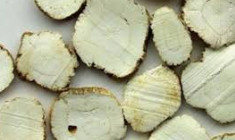
The results showed that the content and water content of Paeonia lactiflora in different drying methods could meet the requirements of Chinese Pharmacopoeia in 2015 edition. Vacuum freeze-drying was used to dry monoterpene glycosides and phenolic acids with the highest content of 6.248%, followed by hot air drying at 60 C with 6.141%. The contents of monoterpene glycosides and phenolic acids in Paeonia lactiflora treated by different drying methods were comprehensively evaluated by principal component analysis. The order is as follows: vacuum freeze drying > hot air 60 drying > Microwave Drying Equipment > far infrared drying > sun drying > hot air 40 > hot air 80 drying > shade drying > hot air 100 drying.

Effect of drying methods on the content of hypoglycemic active ingredients in mulberry leaves

Abstract: The effects of freeze drying, microwave drying equipment, vacuum drying and hot air drying on the hypoglycemic active ingredients of mulberry leaves were studied. The content of 1-deoxynojirimycin in mulberry leaves was determined by high performance liquid chromatography, the content of polysaccharide in mulberry leaves was determined by phenol-sulfuric acid method, and the content of total flavonoids in mulberry leaves was determined by sodium nitrite method.
Key words: mulberry leaf microwave drying; 1-deoxynojirimycin; flavonoids; polysaccharides
Mulberry leaf is the leaf of mulberry, also known as iron fan. It tastes bitter, sweet and cold. It belongs to the lung and liver meridians. It has the effect of soothing wind, clearing heat and calming the liver. Traditional Chinese medicine books such as “Compendium of Materia Medica” and “Shennong Herbal Classic” all recorded that mulberry leaves can treat diabetes. Modern pharmacological studies also showed that mulberry leaves have many pharmacological activities, such as lowering blood sugar, lowering blood lipid, lowering blood pressure, anti-inflammatory, anti-tumor and preventing coronary heart disease. The Ministry of Health of China listed mulberry leaves as one of the medicinal and food dual-use traditional Chinese medicines.

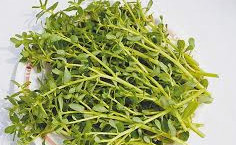
Effects of different drying treatments on total phenol content and antioxidant activity of Portulaca oleracea

Absrtact: Portulaca oleracea was treated by hot air drying, vacuum microwave drying and vacuum freeze drying respectively. The total phenol content, total antioxidant capacity, reduction capacity, DPPH scavenging capacity, hydroxyl radical scavenging capacity and superoxide anion radical scavenging capacity of the methanol extract of Portulaca oleracea powder were determined. The total phenol content and antioxidant capacity of Portulaca oleracea powder were studied by different drying methods. Influence.
The results showed that the content of total phenols in Portulaca oleracea powder prepared by microwave drying equipment was significantly higher than that of vacuum microwave drying and hot air drying.
The total antioxidant capacity, reduction capacity, DPPH and hydroxyl radical scavenging capacity of methanol extract of Portulaca oleracea powder prepared by vacuum freeze-drying method were significantly higher than those of Portulaca oleracea powder prepared by vacuum microwave and hot air drying method (P < 0.05), but the clearance of O-. by vacuum freeze-drying sample and vacuum microwave drying sample was higher than that by vacuum microwave drying method (P < 0.05). There is no significant difference in the removal rate. Considering the product quality and processing cost, the vacuum microwave drying method is more reasonable.

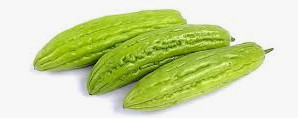
Effect of Drying Method on Hypoglycemic Components of Momordica charantia

ABSTRACT: By discussing the effect of different drying methods on the content of hypoglycemic components in balsam pear, an ideal drying method was provided for the production of balsam pear health food. Biuret method was used to determine the polypeptide content of balsam pear, phenol-sulfuric acid method was used to determine the polysaccharide content of balsam pear, and spectrophotometric method was used to determine the saponin content of balsam pear.
The results showed that the microwave drying equipment had the best color of bitter gourd and less damage to its main sugar-reducing components; the freeze-drying bitter gourd had the worst color and more damage to its sugar-reducing components; the vacuum drying of bitter gourd took longer time, and the sugar-reducing components of bitter gourd were damaged more and the color was worse than that of hot air drying.

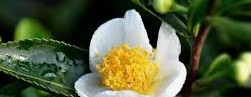
Effect of different drying methods on tea flower quality

ABSTRACT: The biochemical constituents of tea flowers and fresh tea leaves are basically the same. They are rich in tea polyphenols, tea polysaccharides, free amino acids, superoxide dismutase (SOD) and caffeine, and have very high value for development and utilization. The effects of vacuum freeze drying, constant temperature oven drying and microwave drying equipment on the quality of dried tea flower were studied.
(1) Vacuum freeze-dried dried tea tree flowers better preserve the shape, aroma and color of tea tree flowers; dried tea tree flowers are relatively natural in shape, darker in color and sweeter in fragrance; microwave dried tea tree flowers are shrunken in shape, dark in color, long in sweet fragrance, and have the fragrance of meritorious service.
(2) The water extract content, soluble sugar, tea polysaccharide, tea polyphenols, tea saponin and free amino acid content of dried flower of tea tree dried by vacuum freeze-drying were the highest; the water extract content, tea polysaccharide and tea polyphenol content of dried flower of tea tree dried by microwave drying were higher than that of dried flower of tea tree, and the soluble sugar content was lower than that of dried flower of tea tree; the caffeine and total flavonoids content of dried flower of tea tree dried by three processing methods were higher than that of dried flower There was no significant difference in quantity.

Study on the Quality and Antioxidation of Ganoderma lucidum Fermented Tea by Different Drying Methods

Absrtact: Ganoderma lucidum fermented tea was dried by two different drying equipments: hot air drying and microwave drying. The sensory evaluation of the fermented tea was carried out, and the chemical composition and antioxidant activity of the fermented tea were determined.
The results showed that hot air drying and microwave drying equipment had certain effects on the sensory score, chemical composition and antioxidant ability of tea. The fermented tea dried by high temperature hot air drying and high microwave power had longer aroma and better taste. Under hot air drying, the fermented tea dried at 90 C retained more active ingredients, and the fermented tea dried at 80 C had higher antioxidant activity. Under microwave drying, fermented tea dried by 50W power has better retention of active ingredients and higher antioxidant activity.

Research progress of combined drying technology for conditioned fruit and vegetable products

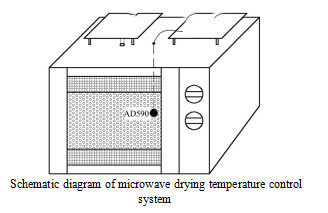
Absrtact: Microwave drying equipment can make full use of the characteristics of each drying mode and optimize the drying process complementarily, so as to improve product quality, increase economic efficiency, safety and environmental protection, and reduce the energy consumption of drying.
In this paper, the previous studies on combined drying of fruits and vegetables were summarized and analyzed comprehensively. The main types of combined drying and the research status of combined drying at home and abroad were introduced. Finally, the problems and development trend of combined drying technology of fruits and vegetables were analyzed.